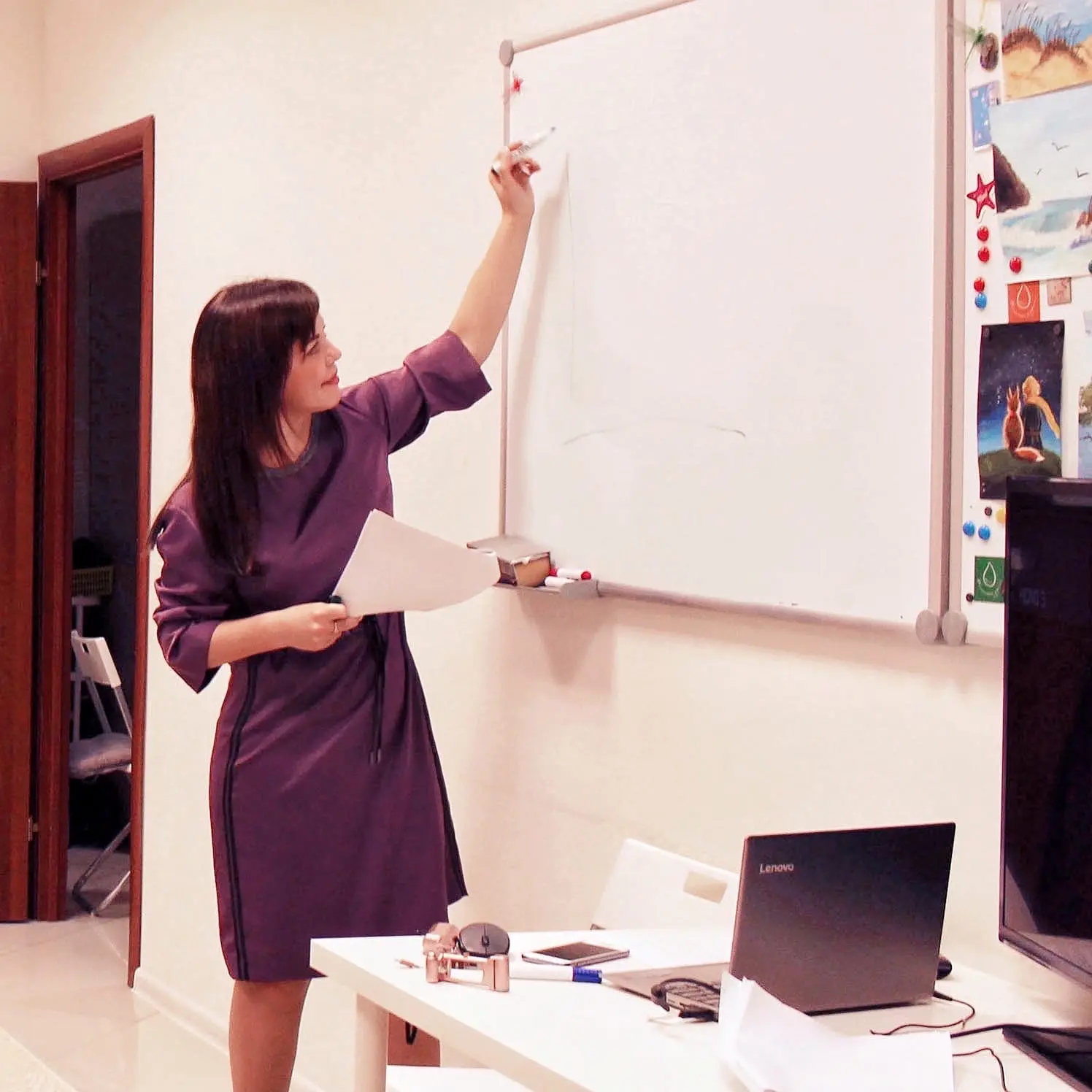
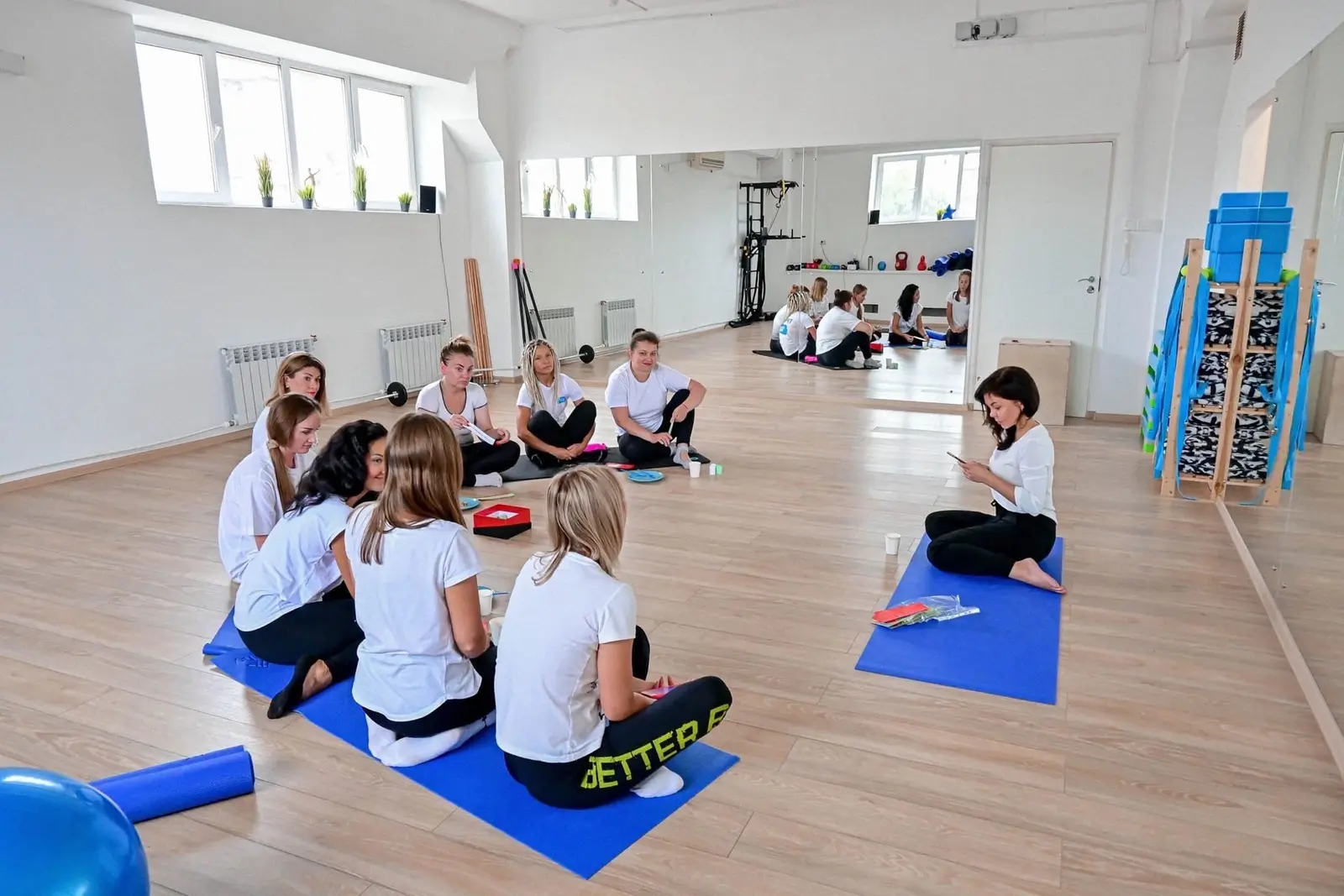
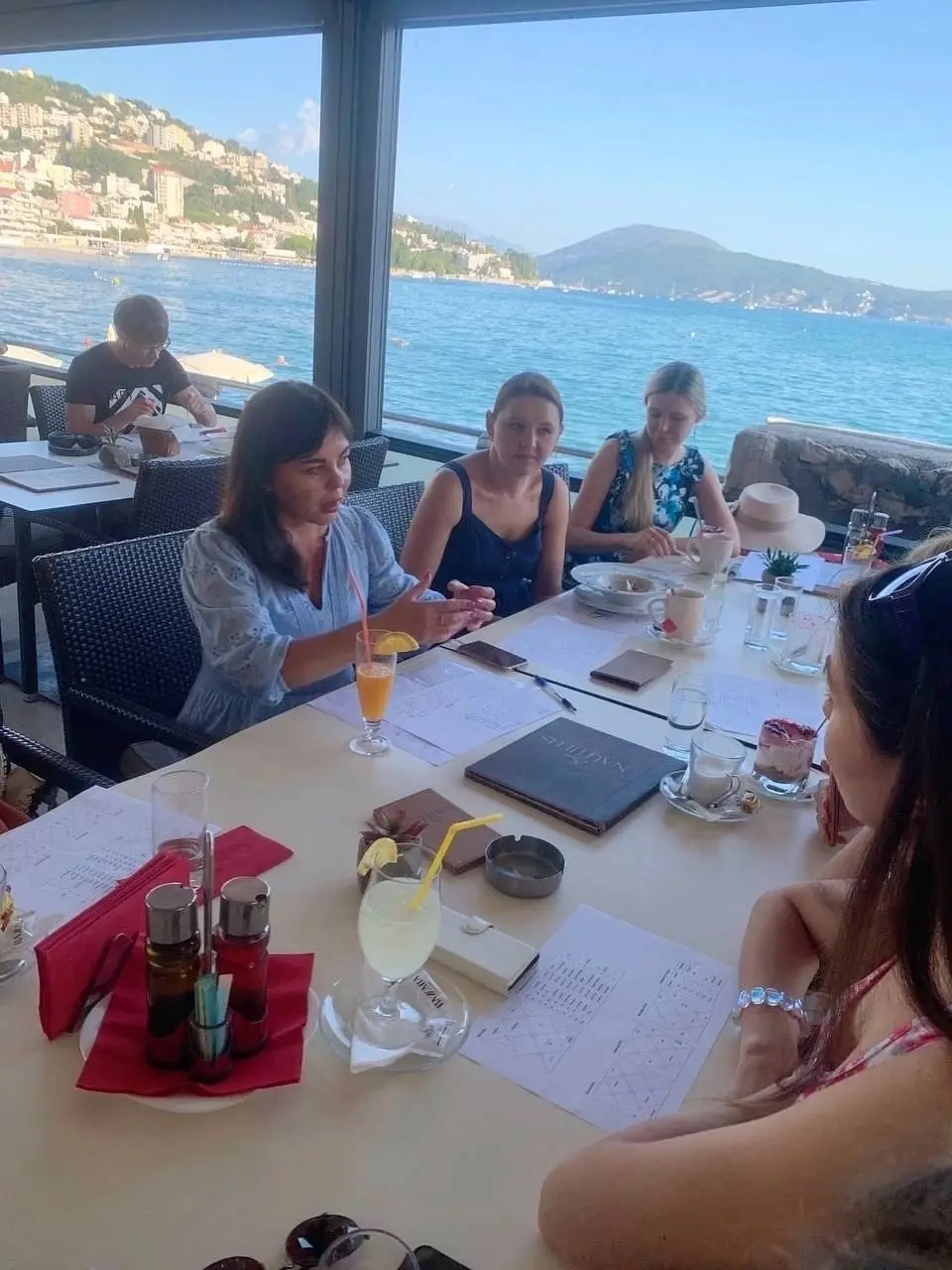
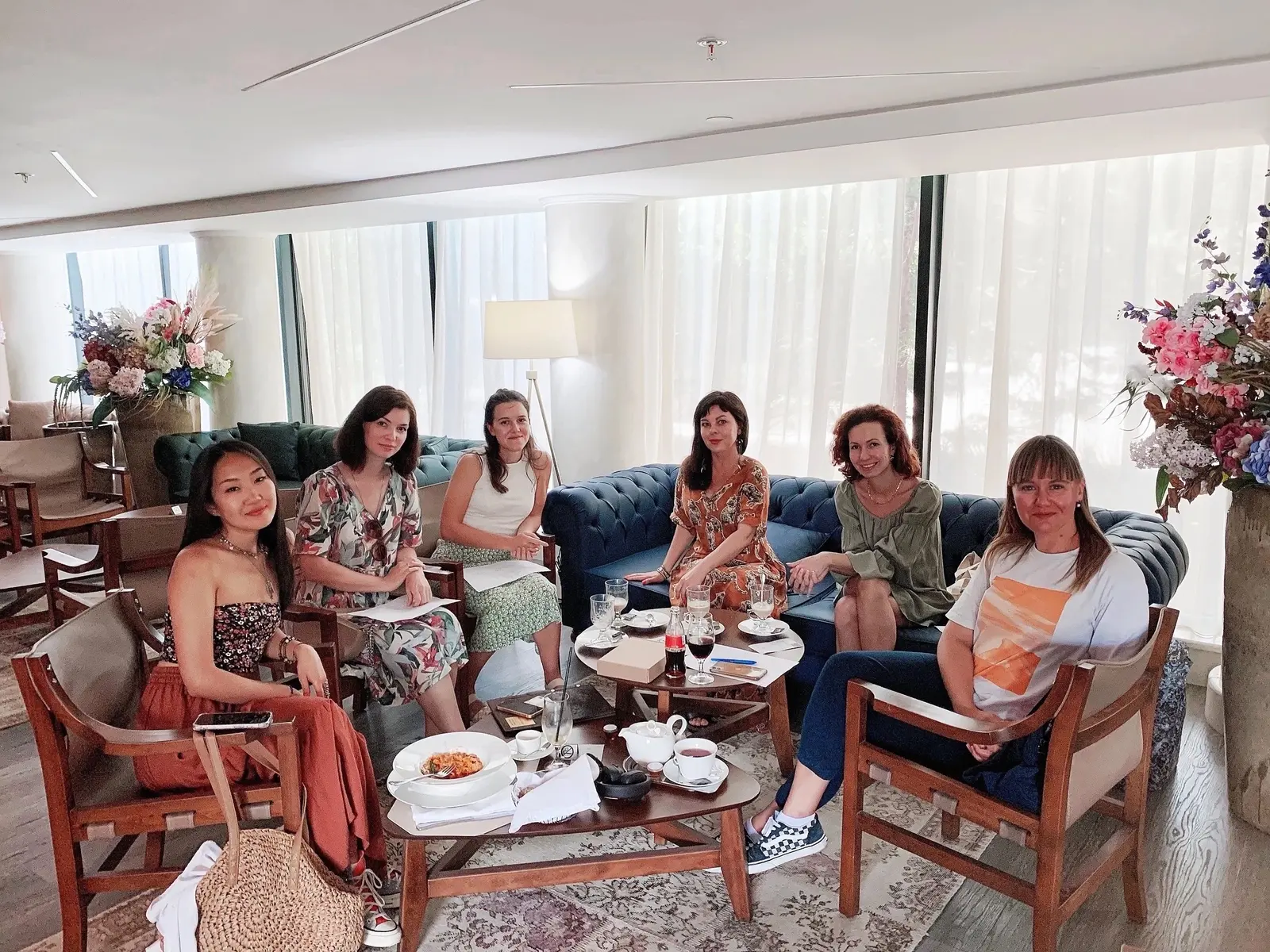
My name is Irina Vostrikova. I am a practising Vedic astrologer, a researcher of Jyotish and an astrology teacher. I have been involved in astrology for 10 years — since 2016.
Over these years, my consulting and research practice has brought me into contact with a wide variety of human stories: relationships and the birth of children, professional choices and business, crises, legal disputes, major purchases, relocations and significant life changes.
And the longer I work with charts, the more convinced I become that human life contains far more patterns than we sometimes realise. For me, this is one of the most remarkable aspects of Jyotish.
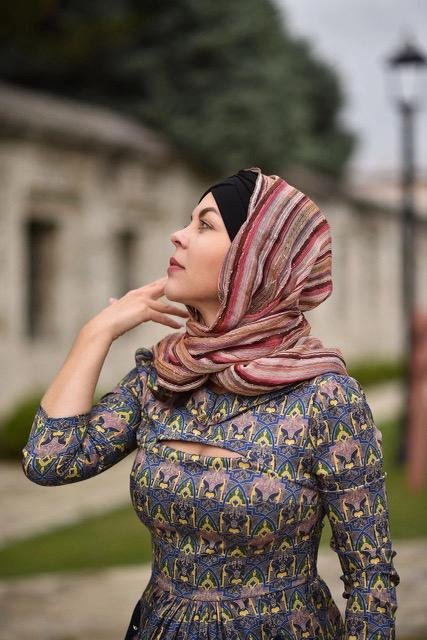
Destiny has a structure of its own
A person's birth chart is more than a description of their character. It also holds answers to questions: Why do certain events arrive at this particular time? Why does one door open when another closes? Why does everything come easily in one period, with luck seemingly falling into your hands, while in another every undertaking meets resistance, as though the whole world were against you? Why do changes sometimes begin in several areas of life at once?
Jyotish makes it possible to see a certain system behind these events. The birth chart shows inherent potential, while planetary periods and transits help us understand when and how that potential will manifest. Forecasting and researching the patterns of destiny remain among the areas of astrology that interest me most.
Can destiny be changed?
This is one of the questions I hear most often. Over time, I have come to understand that our connection with life's underlying programme is much deeper than we are accustomed to thinking. But this does not mean that a person is powerless in the face of destiny.
The same astrological placement can be experienced differently — in the guna of goodness, passion or ignorance. Understanding how the same energies manifest through different gunas helps us become more conscious of our own reactions and decisions — and therefore change the quality of what lies within our influence. Then it becomes clear why events of the same nature lead different people to entirely different outcomes.
We cannot always choose a particular event. But a great deal depends on how we live through it and what we make of the experience we gain. That is why, to me, a good forecast is more than a statement about what may happen. It is an opportunity to understand the nature of a period in advance and live through it consciously.
How it all began
My path into astrology did not begin with astrology at all. I trained as an artist, graduating from the art and graphics faculty of a pedagogical academy. I then spent fourteen years working in advertising and the media.
During that time, I tried many different roles: graphic designer, voice artist, scriptwriter, newspaper editor, exhibition organiser and head of an advertising agency. It was a vibrant, eventful and creative life.
Gradually, though, a life focused solely on the external world began to feel too narrow. I wanted to understand something more fundamental. Why does destiny unfold in this particular way? Where do recurring life patterns come from? What makes a person suddenly turn in an entirely different direction? Why does a crisis that feels destructive today turn out, a few years later, to have been the gateway to a completely new life?
Astrology had interested me since childhood. The real turning point came when I encountered the Indian astrological tradition of Jyotish. I saw a system that brought together everything that had long concerned me: destiny and karma, human nature, the periods of life, patterns in events and spiritual development.
Learning that never ends
When a subject truly fascinates me, I simply cannot study it superficially. I graduated from the Lakshmi-Ameya Institute of Astrology, completed more than 60 specialised courses and studied dozens of professional books.
At different times, my understanding of astrology has been influenced by the work and schools of K. N. Rao, Sanjay Rath, Baiba Sturite, Kali Shankar, Anna Lastochkina, Oleg Tolmachev and other researchers and teachers.
For me, however, learning has never been about collecting certificates. I need to test what I learn.
To compare charts with real events. To compare techniques from different schools. To see which combinations actually manifested in a person's life. To gather statistics and look for patterns — sometimes in the most unexpected subjects. And I admit that this is what I particularly love.
From consultations to teaching
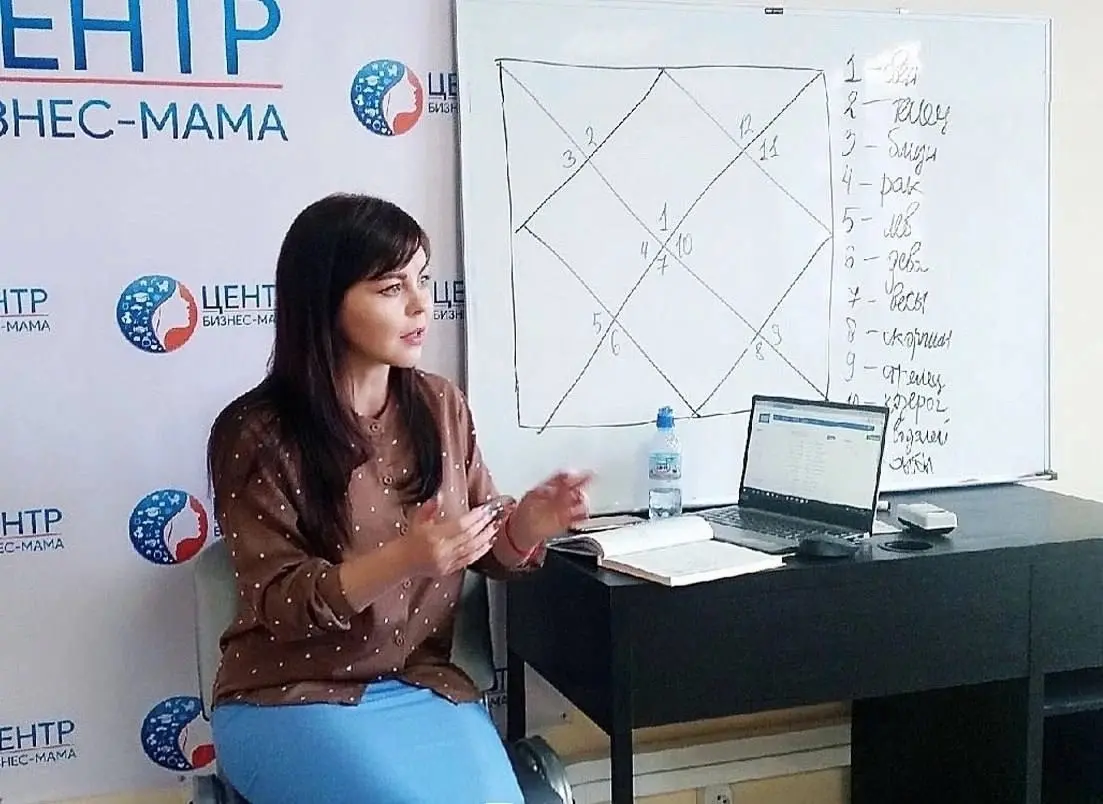
For three years, I taught Vedic astrology and saw two cohorts of students through to graduation. This experience taught me to build a system in greater depth, look for logic and distinguish principles that genuinely work from interpretations that need to be tested and reconsidered in the context of modern life. Today, I focus primarily on individual consultations, researching complex astrological cases and writing my own books on Jyotish, in which I want to organise the knowledge, observations, research and practical experience I have accumulated.
Astrocartography and my love of travel
Astrocartography and relocation analysis have a special place in my practice. I have always been interested in why the same birth chart unfolds so differently in different parts of the world, and why some places support a person while others require much more effort.
Perhaps this interest is also connected with my own love of travel, new countries and observing how a place changes a person and the course of their life.
How I read a birth chart
To me, a person cannot be reduced to the Sun, the Moon, the Ascendant or a single striking astrological combination. A person's birth chart is a vast, interconnected system. I analyse the placement and strength of the planets, the houses and their rulers, aspects, yogas, nakshatras, divisional charts, dashas, transits and many other factors.
But even that is not enough. An essential part of the work is to understand how the chart has already manifested in the person's actual life: what events have occurred, how relationships have unfolded, how their career has developed and what became turning points.
Comparing the chart with a real biography allows us to see it in much greater depth. That is why I particularly enjoy complex cases — those where opening a table of interpretations and reading a ready-made answer is not enough. That is where real research begins.
On forecasting
I take forecasting seriously. Telling someone something so general that it could apply to almost anyone is not my approach.
If a chart indicates an important period, I need to understand exactly where it will manifest, how strong the indicator is, what corroborates it and what different ways there are of living through that time.
Over the years, clients have often returned months or years later to tell me how the periods and events we discussed during a consultation unfolded. I value this kind of feedback especially highly.
At the same time, I do not consider it professional to turn a forecast into a one-hundred-per-cent promise. The chart shows potential. How you live it out depends on your level of awareness. And that is not a shortcoming of astrology, but part of its depth.
To me, Jyotish is a living science
The longer I practise astrology, the less I want to repeat ready-made formulas. I am interested in researching it: testing traditional rules against real lives, studying unusual combinations, returning to charts years later and analysing what manifested in them and in what form.
Comparing techniques. Sometimes questioning familiar interpretations. And occasionally discovering an elegant pattern where, at first, none was visible.
Perhaps that is why, after ten years, I am still far from bored. On the contrary: with every chart I study, the questions become deeper and more multifaceted.
But there is always a person behind the chart
However much I love astrological research, calculations and statistics, a consultation is, first and foremost, a meeting with a real person.
And often, people do not come out of idle curiosity. Behind their question there may be a divorce, a difficult relationship, loneliness, a career crisis, concern for a child, a move to another country, a new project or a feeling that their former life is ending while the new one remains completely unclear.
Such questions cannot be approached as a mere formality. That is why I prepare carefully for every consultation and try to see the situation as fully as possible. It matters to me that a person leaves with an understanding of what is happening — its causes and possible development — rather than a collection of impressive terms.
I can talk for hours about divisional charts, which reveal different areas of our lives; nakshatras (constellations), which give a unique character to everything they touch; houses, signs, planets and aspects; planetary periods, transits and much more. And for all the seriousness and depth of Jyotish, there is room in my consultations for smiles and laughter too. Life sometimes produces such extraordinary plots that a sense of humour becomes a vital upaya. I want people to feel comfortable asking any question — even one that seems strange, awkward or too personal to them. Because sometimes it is precisely such a question that holds the key to what matters most.
If you are going through a period you want to understand
Perhaps something is happening in your life right now that is difficult to explain. Or perhaps you face a decision whose consequences truly matter. Relationships, purpose, career, money, the future, moving to another country — or a sense that a new stage of life is beginning. Or you may simply want to understand your own chart more deeply. During a consultation, we will look at the patterns your chart shows, the period you are living through now, the tendencies taking shape ahead and how to use this time as consciously as possible.
And then comes what first brought me to Jyotish myself: understanding. And very often, that is where real change begins.